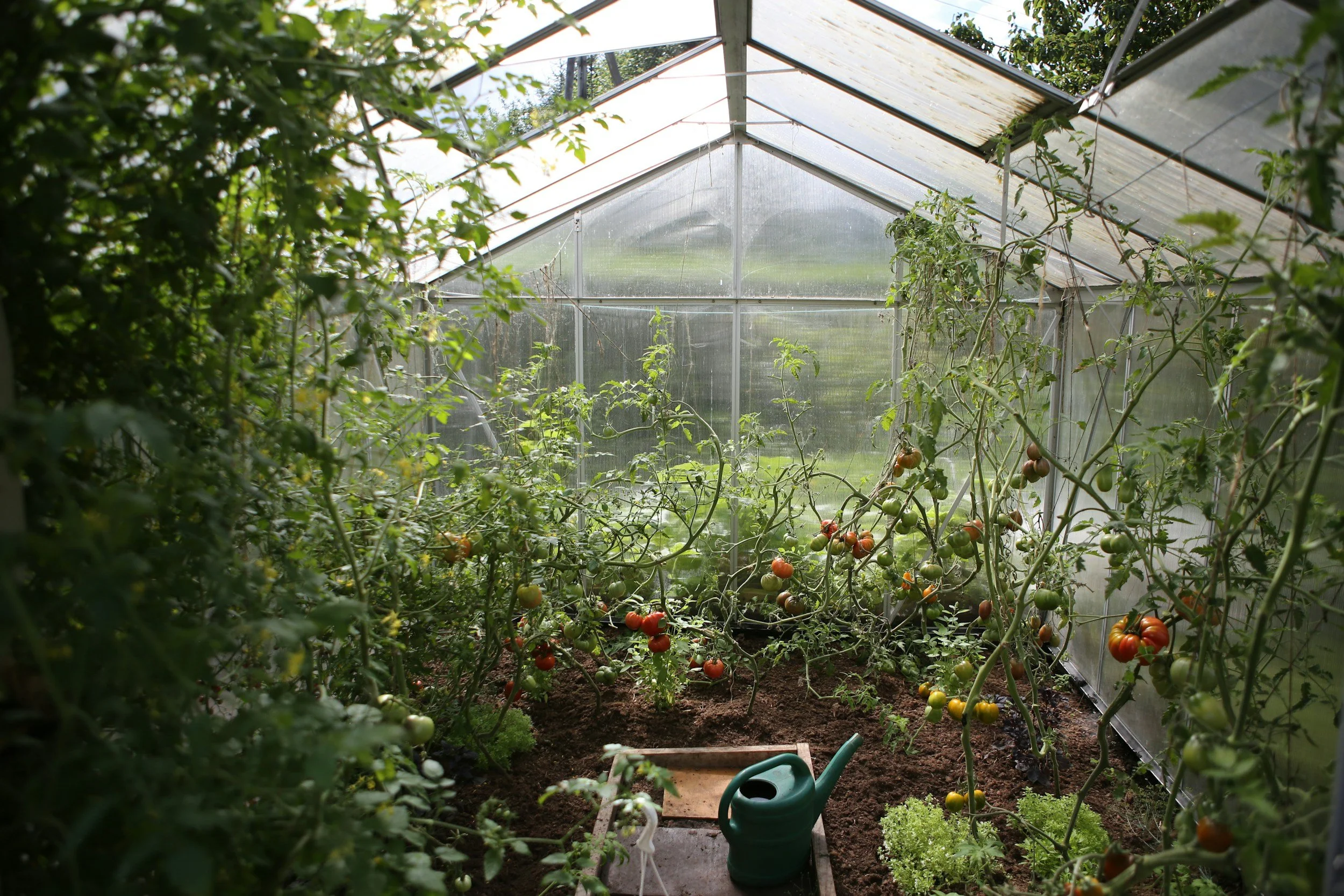
What Are Herbs?
“And God said, Let the earth bring forth grass, the herb yielding seed, and the fruit tree yielding fruit after his kind, whose seed is in itself, upon the earth: and it was so.”
Genesis 1:11 NKJV
Food, Medicine & Natural Resources
As I studied The Original Diet given to all life in Genesis Chapter One, there were three words that stood out to me as words that are often misinterpreted and misunderstood. The first being the word “herb”.
“And God said, Behold, I have given you every herb bearing seed, which is upon the face of all the earth, and every tree, in the which is the fruit of a tree yielding seed; to you it shall be for meat.” Genesis 1:11 NKJV
Our modernized understanding of the word herb devalues their true potential and overlooks our Creator’s thoughtfulness towards us. Most people associate the word herb to just mean spices or medicinal plants. Technically, spices and medicinal plants are herbs. However, herbs are not just limited to spices and medicinal plants. According to the Bible, all green plants and trees are “herbs”. This means that all plant and tree produce that we know as vegetables, fruits, grains, legumes, beans, and nuts are all actually herbs bearing seed.
The Topical Encyclopedia defines the word herb this way:
“In the Bible, herbs are frequently mentioned as part of the natural world created by God, serving various purposes such as food, medicine, and offerings. The term "herb" in biblical times generally referred to any plant used for culinary or medicinal purposes, including vegetables and aromatic plants.”
The word “Herb” simply just means “plant” or green vegetation. Various Bible translations aside from the King James Version, replace the word herb with plant. Here is one example:
And God said, “Behold, I have given you every herb bearing seed, which is upon the face of all the earth, and every tree, in the which is the fruit of a tree yielding seed; to you it shall be for meat.”Genesis 1:29 KJV
“And God said, Behold, I have given you every plant bearing seed, which is upon the face of all the earth, and every tree, which has seed in its fruit; to you it shall be for food.” Genesis 1:29 KJV 2000
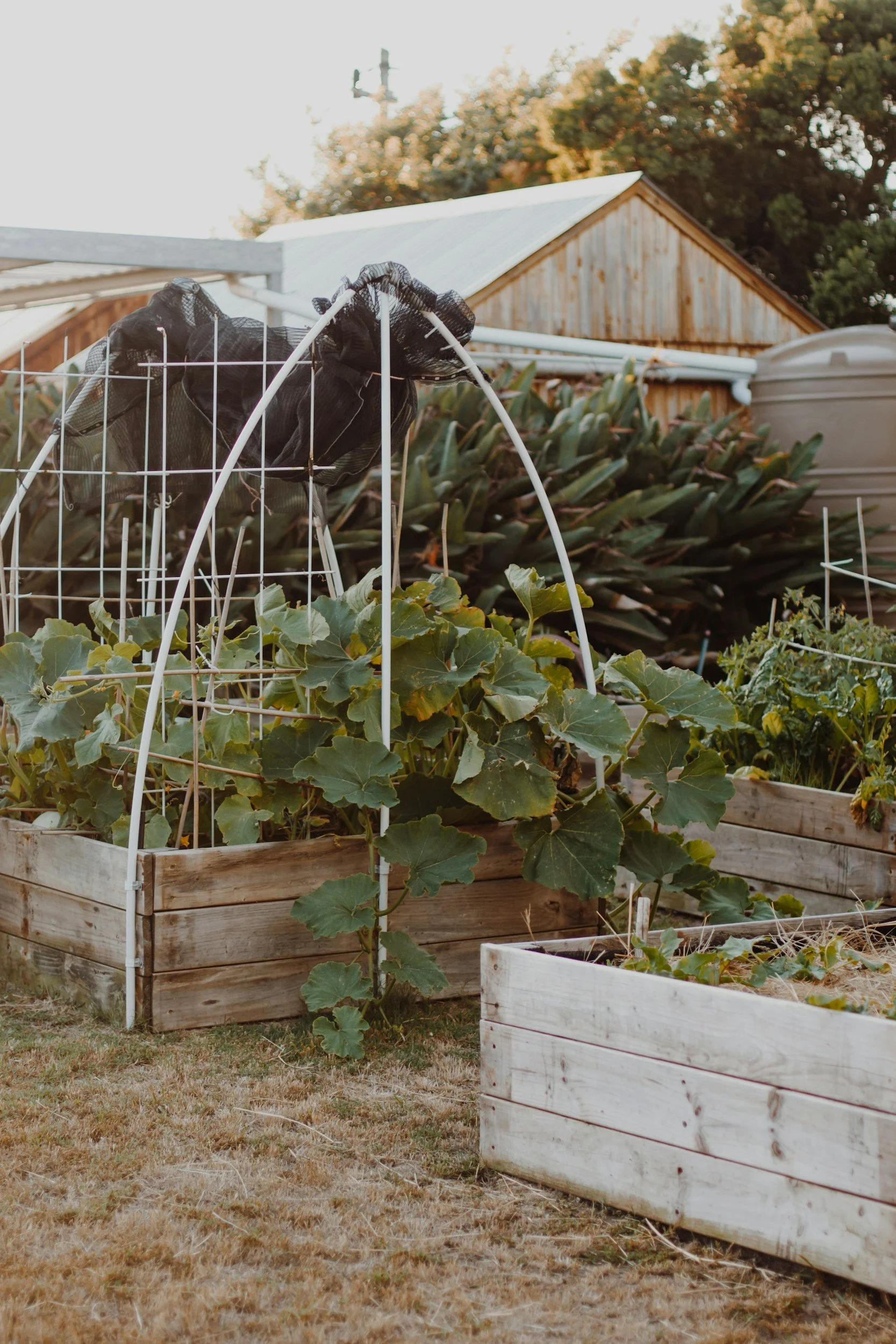
“And the earth brought forth grass, and herb yielding seed after his kind, and the tree yielding fruit, whose seed was in itself, after his kind: and God saw that it was good.”
Genesis 1:12 KJV
Throughout the entire Bible, from beginning to end, Seed Bearing Herbs and Trees are a common theme holding both spiritual and physical significance. Aside from providing food and medicine, seed bearing Herbs and Trees serve humanity in a number of resourceful ways such as; filtering the air, generating oxygen to help us breathe and producing various kinds of medicines, oils, milks, juices, fibers, dyes, esthetics, scents, and wood, etc. This is by no means an exhaustive list of all of the amazing uses of seed bearing plants. I’m sure I am just scratching the surface here!
In our modernized world of manmade fabrics, dyes, scents, foods and medicines, we have lost much of our dependency and understanding of all of the amazing natural resources that seed bearing Herbs and Trees provide. However, man’s synthetic versions pale in comparison to the superior quality of our Creator’s provisions of Natural Resources.
Herbs and Trees glorify our Creator’s handiwork and hi-light His creativity and thoughtfulness towards all life. He designed seed bearing Herbs and Trees to provide us with everything we could possibly ever need.
The Parable of the Mustard Seed
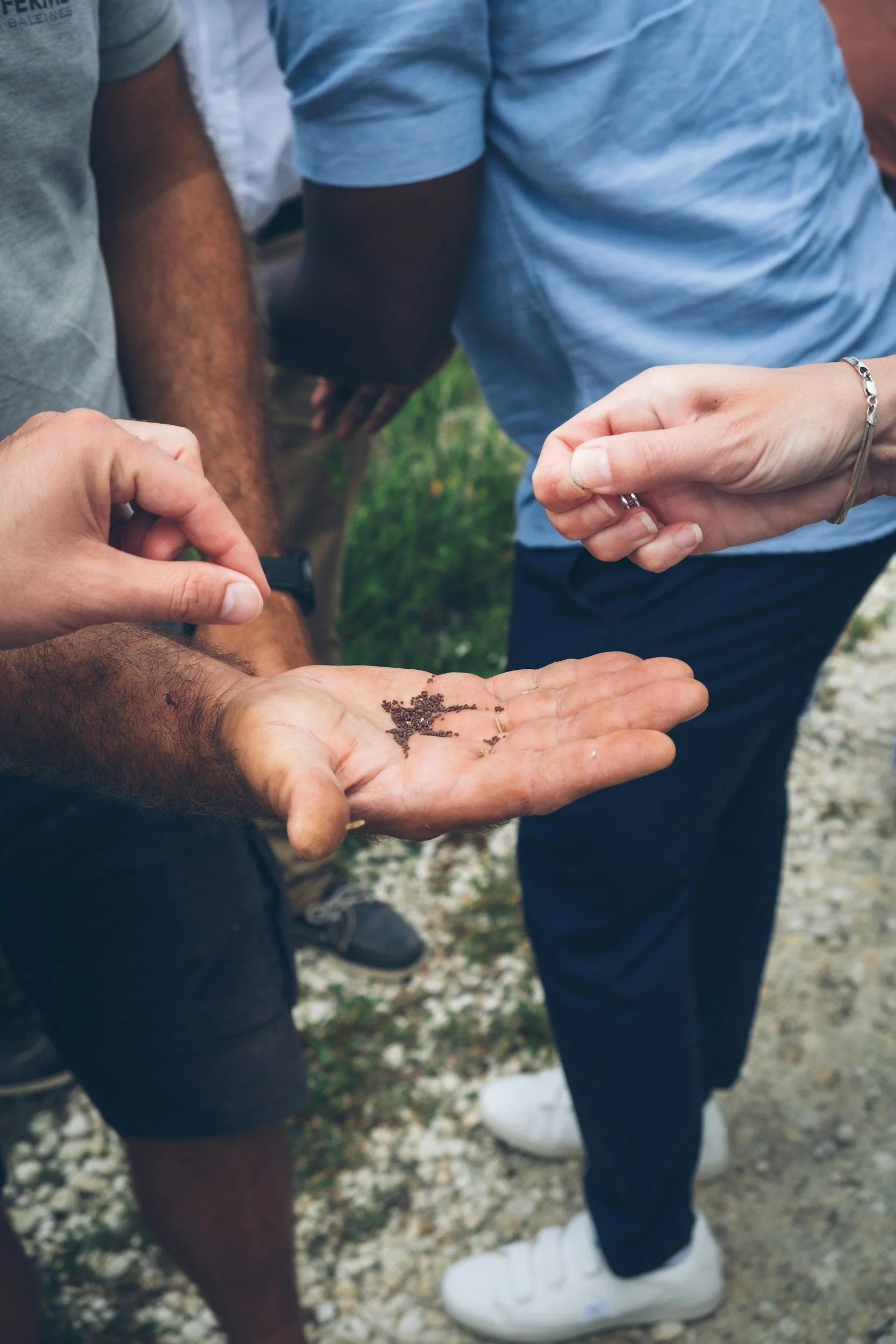
“And the Lord said, If ye had faith as a grain of mustard seed, ye might say unto this sycamine tree, Be thou plucked up by the root, and be thou planted in the sea; and it should obey you.”
Luke 17:6 KJV
Seeds can also be considered herbs. Herbs that bear seed, are plants that bear new life. This new life, is the continuation or lineage of an herbs particular kind. Some herbs grow tall becoming trees. We see a perfect example of this in the Parable of the Mustard Seed.
In this parable of the Mustard Seed, Jesus compares a grain of mustard seed to the Kingdom of Heaven using the divine process of plant reproduction. While making this comparison, Jesus chose to hi-lite the grain of a mustard seed as “the least of all seeds.” He explains that when this tiny seed is sown or planted back into the earth, it becomes the greatest of all herbs, growing taller than all the other herbs and eventually becoming a tree.
“Another parable put he forth unto them, saying, The kingdom of heaven is like to a grain of mustard seed, which a man took, and sowed in his field: Which indeed is the least of all seeds: but when it is grown, it is the greatest among herbs, and becometh a tree, so that the birds of the air come and lodge in the branches thereof.” Matthew 13:31-32 KJV
The words seed, herb and tree in this case, are all one and the same. The same parable in Mark chapter four, leaves out the word tree. When describing the growing process of a mustard seed in this verse, the word herb stands in place of the word tree, but yet the characteristics of a tree are clearly described by the mention of it’s “great branches”:“ When a mustard seed is grown, it becomes larger than all the other herbs and puts out great branches.”
“And he said, Whereunto shall we liken the kingdom of God? or with what comparison shall we compare it? It is like a grain of mustard seed, which, when it is sown in the earth, is less than all the seeds that be in the earth: But when it is sown, it groweth up, and becometh greater than all herbs, and shooteth out great branches; so that the fowls of the air may lodge under the shadow of it.” Mark 4:30-32 KJV
The same Parable in Luke, Chapter 13, leaves out the word herb when describing the seeds progression of becoming a tree.
“When said he, Unto what is the kingdom of God like? and whereunto shall I resemble it? It is like a grain of mustard seed, which a man took, and cast into his garden; and it grew, and waxed a great tree; and the fowls of the air lodged in the branches of it.” Luke 13:18-19 KJV
Here’s one interpretation of the Parable of the Mustard Seed from the book, “God’s Healing Herbs” :
“The Bible teaches about the mustard seed and how it grows to be the biggest plant in the garden. You can see this is true when you compare the size of the seed with the size of the plant that grows from it. There are many varieties of mustard. Some are like trees, and that is why Jesus said that even the birds could rest in them. Mark 4:32 uses the mustard seed in a parable about the faith that we can develop. God gives us faith as a little seed to be watered and nourished by the Holy Spirit. The plant grows profusely and is great reminder of how a little seed of faith can grow in us a great faith in knowing that “faith is being sure of what we hope for and certain of what we do not see” { Hebrews 11:1}.